
Over the last year, the K-beauty scene has been buzzing with innovative skincare ingredients, from PDRN to retinoids. For this edition of our Deep Dive series, we want to focus on the latter and explore the wonders of this Vitamin A derivative family, from its different formulations to the benefits it can bring to our skincare routines.
Retinol, retinal, and other retinoids have become some of the most talked-about ingredients in skincare, but what makes them so popular? And with so many Korean skincare products featuring them, how do we know which one to choose?
Let’s take a deeper look at retinoids!
What Are Retinoids?
Let’s start with the basics. Retinoids are a family of Vitamin A derivatives used in skincare to address concerns such as acne, uneven skin texture, pigmentation, and visible signs of skin ageing.
They work by influencing how skin cells develop and renew themselves. Depending on the specific ingredient and formulation, retinoids can help prevent pores from becoming clogged, improve the appearance of uneven skin tone, and soften the look of fine lines over time.
One thing to keep in mind is that retinoids are not a one-size-fits-all ingredient. Different forms vary in strength, availability, and how well they are tolerated by the skin.
Let’s look at some of the names you will commonly encounter in skincare!
Retinol
Retinol is probably the most familiar member of the retinoid family, and you will find it in a wide range of skincare products, including serums, creams, and eye treatments.
Once applied, retinol must undergo two conversion steps in the skin before becoming retinoic acid, the form that interacts with retinoid receptors. This is one reason its effects differ from those of other retinoids.
Retinol is commonly used to improve the appearance of fine lines, uneven texture, and some forms of pigmentation. It can also be helpful for blemish-prone skin, although the most appropriate treatment depends on the type and severity of acne.
For those curious about trying a retinoid for the first time, a well-formulated product with a lower concentration of retinol can be a reasonable starting point. Remember, though, that even lower concentrations can cause irritation if your skin is not accustomed to them.
Retinal (Retinaldehyde)
Next up is retinal, also known as retinaldehyde. Like retinol, retinal is a Vitamin A derivative, but it requires one fewer conversion step to become retinoic acid.
This makes it an interesting option for people looking to incorporate a retinoid into their skincare routine. However, that doesn’t automatically mean every retinal product will be stronger or more effective than every retinol product. Concentration, formulation, stability, and delivery systems all matter.
Retinal has become increasingly popular in K-beauty, particularly in serums and creams targeting uneven texture and visible signs of ageing. If you’ve been browsing Korean skincare products lately, chances are you’ve come across it!
Retinoic Acid and Prescription Retinoids
Retinoic acid is the active form that skin cells respond to. Some retinoids, such as tretinoin, are prescription treatments used for specific skin concerns.
Other retinoids, including adapalene, are used to treat acne and may be available without a prescription in some countries. Availability and regulations vary, so it is important to check the guidance where you live.
These treatments should not be treated as interchangeable with cosmetic retinol or retinal products. If you are considering a prescription retinoid, speak to a healthcare professional about which option is appropriate for your skin.
What About Bakuchiol?
You may also have noticed bakuchiol appearing in skincare products alongside retinol. Although it is often marketed as a retinol alternative, bakuchiol is not a retinoid and does not work in exactly the same way.
It is a plant-derived ingredient used in formulations targeting the appearance of fine lines and uneven skin tone. It may be an option for people who prefer to explore alternatives, but it should not be assumed to provide the same benefits as retinoids.
What Are the Benefits of Retinoids?
So, why have retinoids become such skincare favourites? These ingredients have been studied for several skin concerns, although their effects depend on the type of retinoid, its concentration, and how it is used.
Let’s explore some of their most talked-about benefits!
1. Smoother-Looking Skin
Retinoids can help improve the appearance of uneven skin texture by influencing skin-cell turnover. With consistent use, some people notice that their skin looks smoother and feels more refined.
They are not an overnight solution, though. Patience and consistency are key, and results can take weeks or months to become noticeable.
2. Softer-Looking Fine Lines
Retinoids are widely used in skincare products targeting visible signs of ageing. Certain retinoids can support collagen production and help improve the appearance of fine lines and wrinkles over time.
The important part here is consistency. Results develop gradually, and the changes you notice will depend on your skin and the product you use.
3. More Even-Looking Skin Tone
If uneven skin tone or lingering dark marks are among your concerns, retinoids may help improve their appearance over time by influencing skin renewal.
However, irritation can sometimes make pigmentation more noticeable, particularly in skin that is prone to developing dark marks after inflammation. This is why introducing retinoids slowly and protecting your skin barrier is so important.
4. Support for Blemish-Prone Skin
Certain retinoids help prevent pores from becoming clogged, which makes them useful in acne treatment.
However, cosmetic retinol and retinal products are not necessarily substitutes for established acne treatments. If you experience persistent, painful, or severe breakouts, it is worth speaking to a dermatologist about the most suitable approach.
Our K-Beauty Retinoid Product Picks
One thing we love about K-beauty is the variety of formulations available. From creamy moisturisers to lightweight serums and targeted ampoules, there are different ways to incorporate retinoids into your routine.
Whether you are a beginner exploring retinol or already curious about retinal, here are five Korean skincare products worth checking out!
1. COSRX The Retinol 0.1 Cream
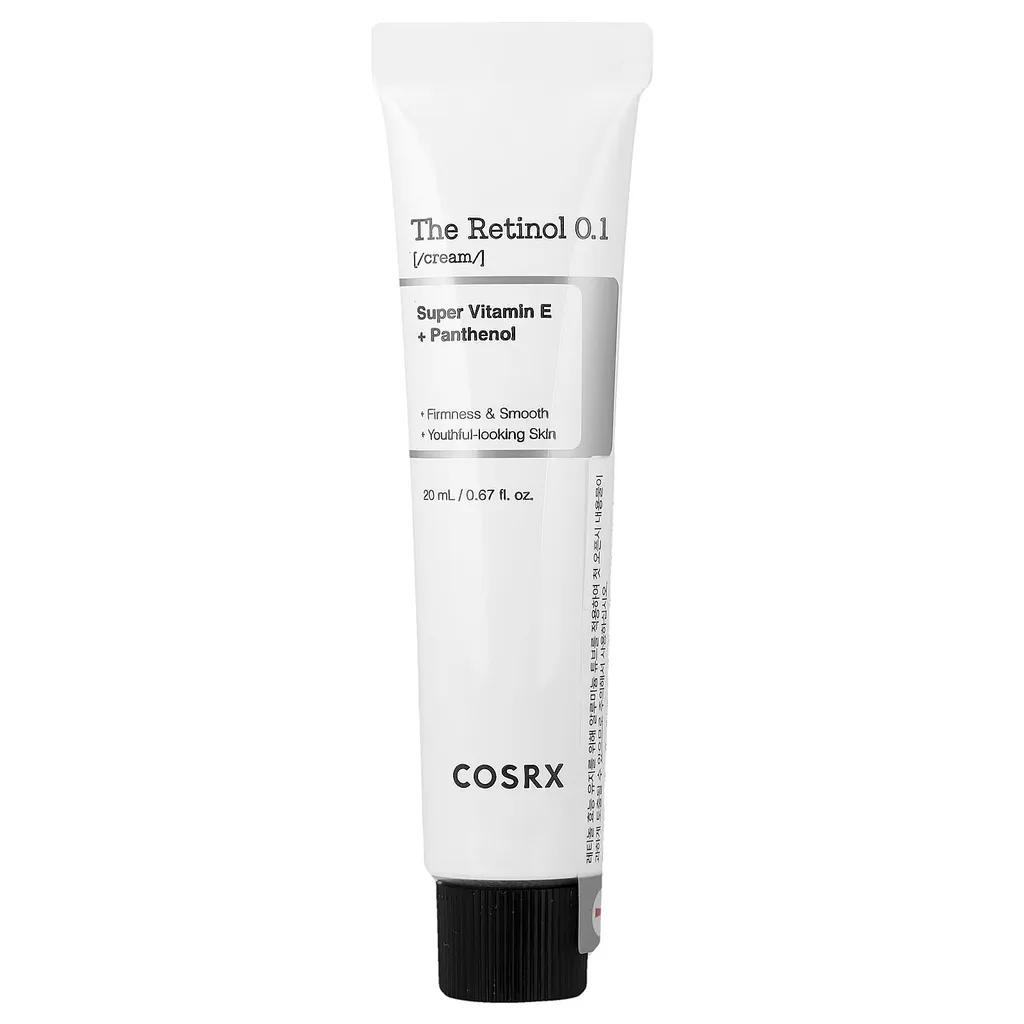
Best for: Those looking to try a lower-concentration retinol product
COSRX is a familiar name in the K-beauty world, and its The Retinol 0.1 Cream is worth considering if you are interested in introducing retinol into your routine.
The 0.1% concentration makes it an option for those exploring lower-strength retinol formulations, although it is not guaranteed to be irritation-free, particularly if you are new to Vitamin A derivatives.
2. SOME BY MI Retinol Intense Reactivating Serum
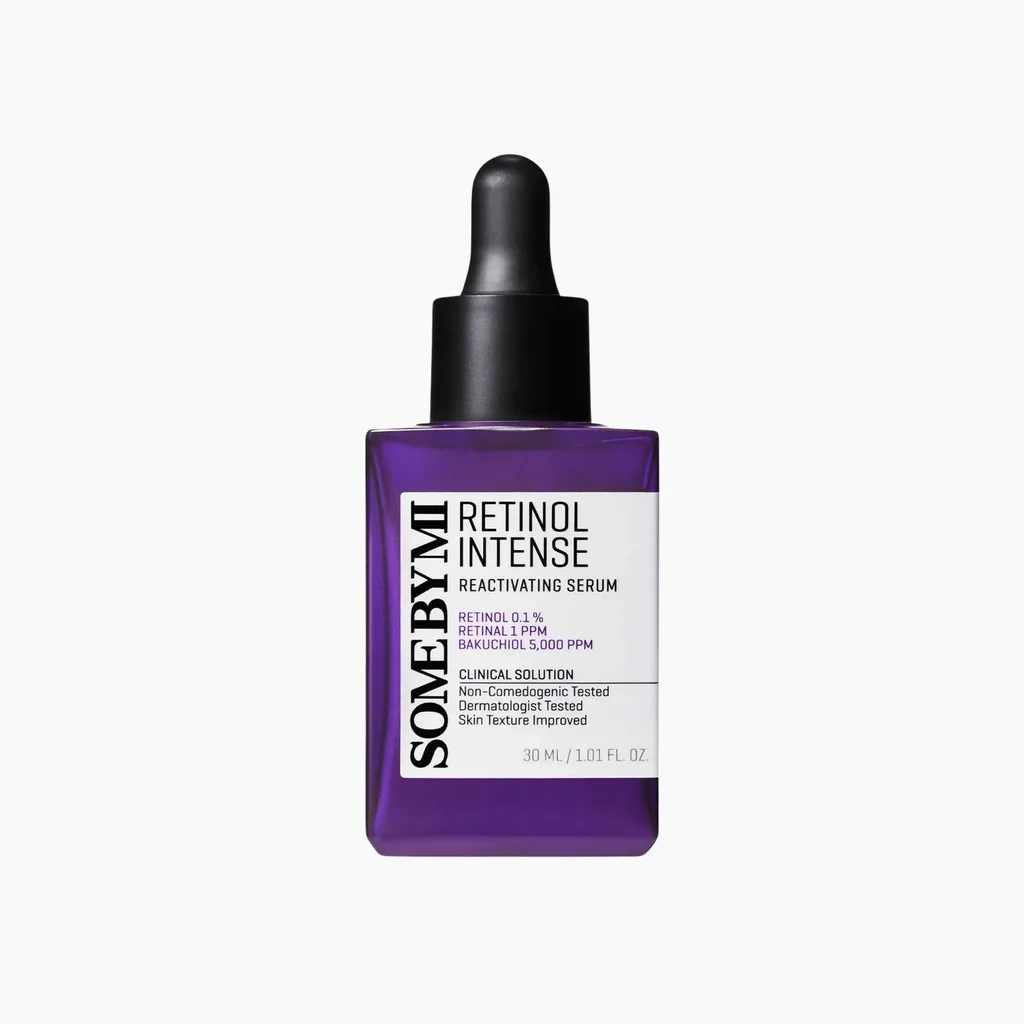
Best for: Those interested in a retinol-focused serum
SOME BY MI has built a following for its targeted skincare formulations, and its Retinol Intense Reactivating Serum is another product to consider.
The serum combines retinol-focused skincare with additional ingredients intended to support the appearance of smoother, firmer skin. Its lightweight format may appeal to those who prefer a serum over a traditional cream.
If your main concerns are uneven texture, visible signs of ageing, or lingering blemish marks, this is a product worth exploring as part of a carefully planned routine.
3. K-SECRET SEOUL 1988 Serum: Retinal Liposome 2% + Black Ginseng
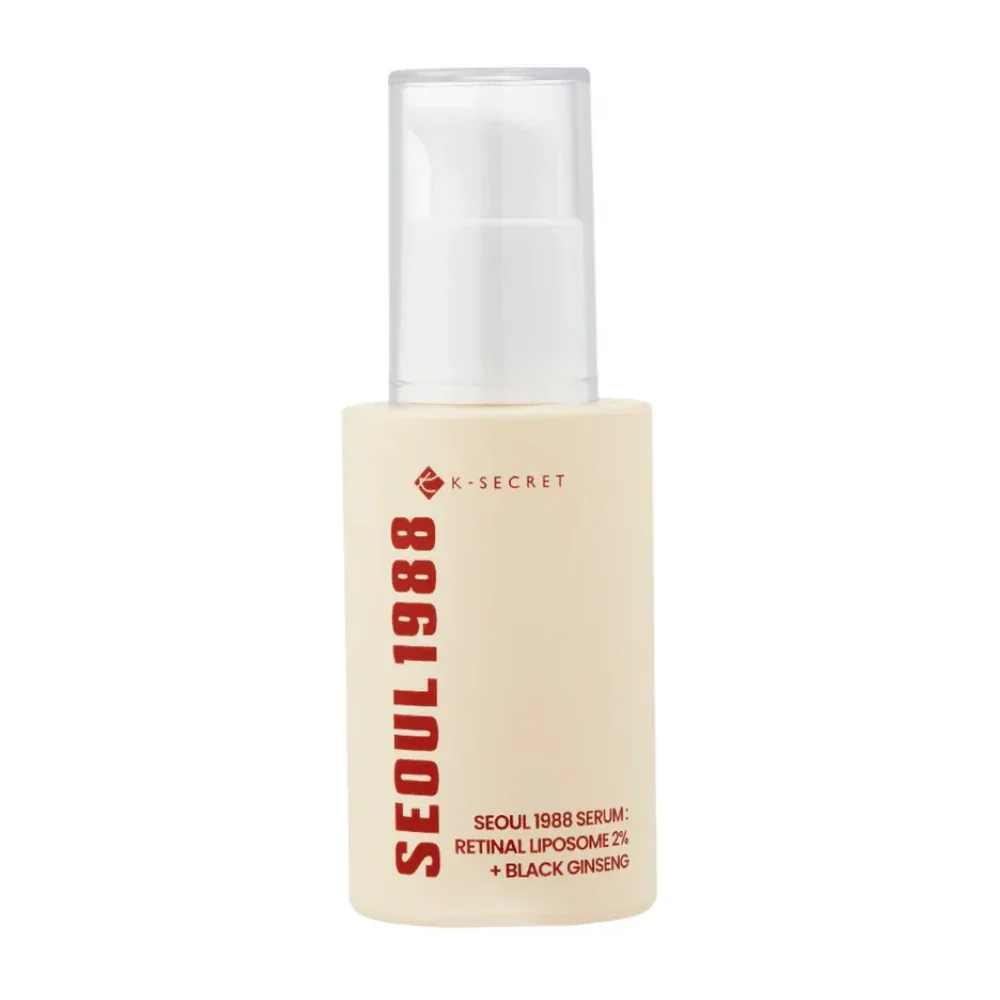
Best for: Those interested in exploring retinal formulations
Retinal has become a popular ingredient in K-beauty, and K-SECRET’s SEOUL 1988 range is one of the lines bringing it into the spotlight.
The SEOUL 1988 Serum featuring Retinal Liposome and Black Ginseng is an option for those interested in a retinal-focused formula. Black ginseng adds another point of interest to the formulation, while the product targets concerns such as uneven texture and visible signs of ageing.
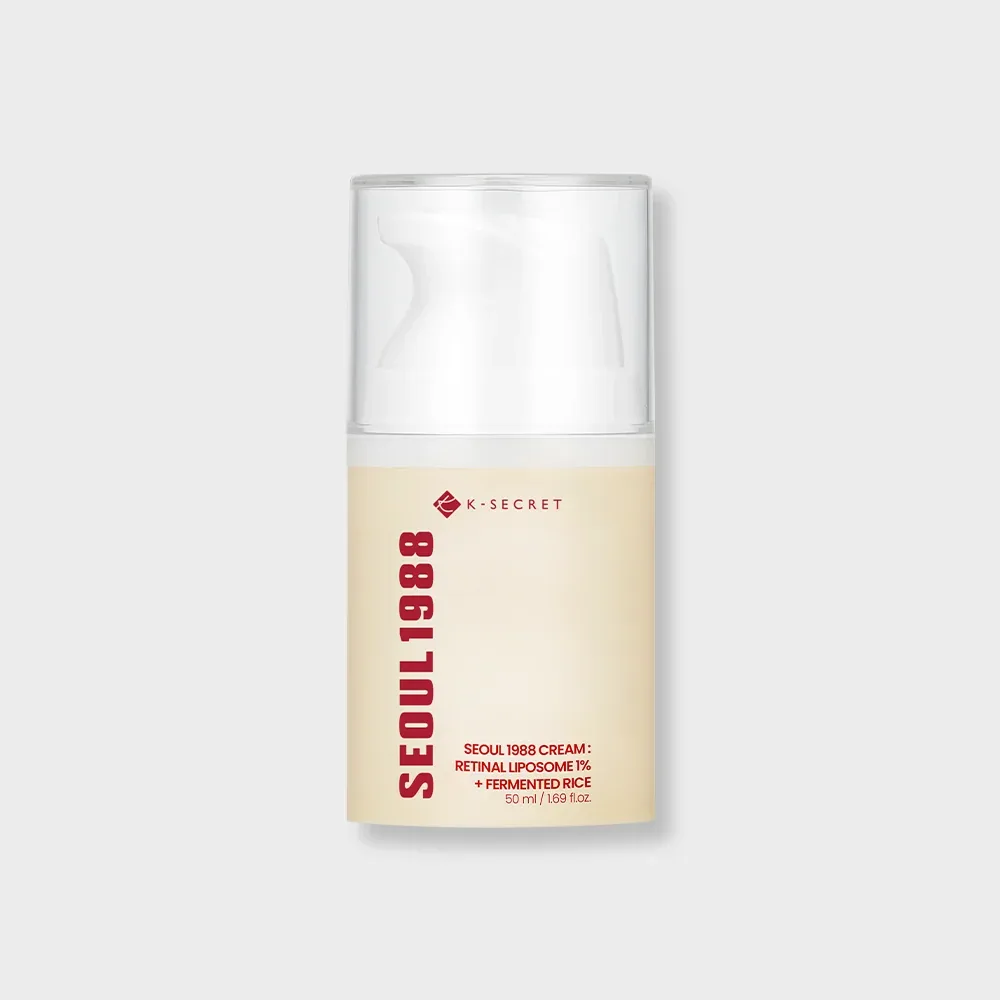
4. K-SECRET SEOUL 1988 Cream: Retinal Liposome 1% + Fermented Rice
Best for: Those who prefer a cream format
If you prefer creams over serums, the K-SECRET SEOUL 1988 Retinal Liposome Cream is another option to explore.
It combines a retinal-focused complex with fermented rice, offering a different texture and formulation from the brand’s serum. A cream format may also appeal to those who prefer a moisturising step in their evening routine.
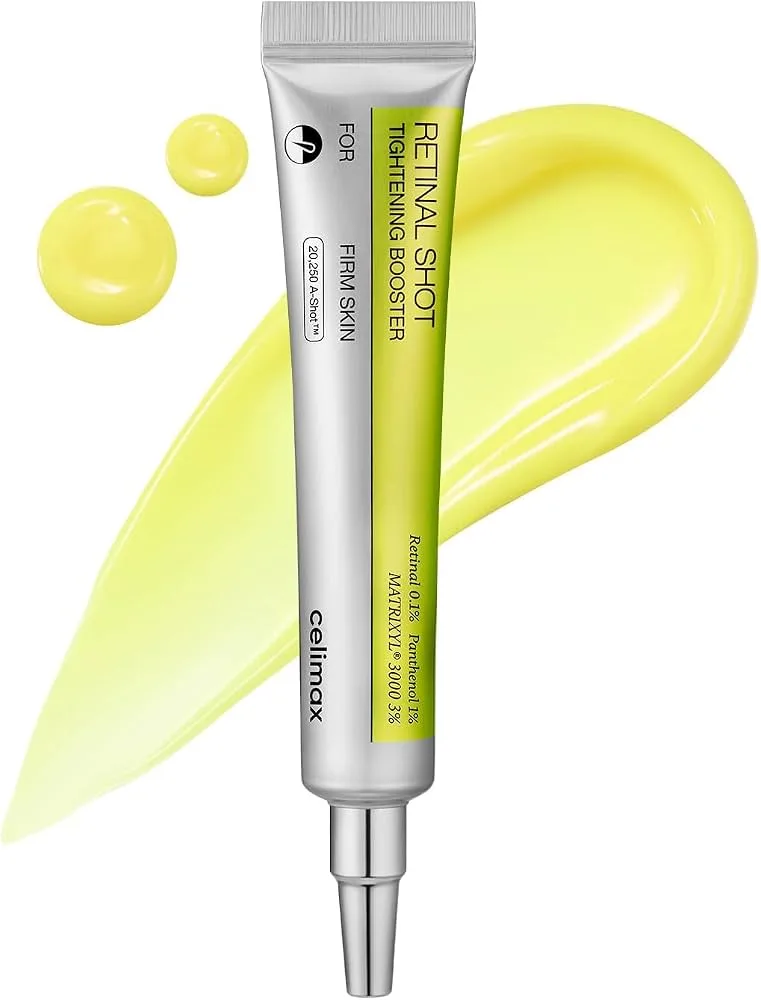
5. celimax The Vita-A Retinal Shot Tightening Booster
Best for: Those looking to target uneven skin texture and visible signs of ageing
Another K-beauty product worth adding to our list is the celimax The Vita-A Retinal Shot Tightening Booster, an ampoule designed for those interested in incorporating retinal into their skincare routine.
Part of celimax’s Vita-A range, this product focuses on concerns such as uneven skin texture, the appearance of enlarged pores, and visible signs of ageing. Its retinal-focused formulation makes it an interesting option for skincare enthusiasts who want to explore Vitamin A derivatives beyond traditional retinol creams.
Final Thoughts
There is a reason retinoids continue to be such a big topic in skincare. From retinol creams to retinal serums and ampoules, they offer options for people looking to address concerns such as uneven texture, clogged pores, and visible signs of ageing.
Our biggest piece of advice? Don’t chase the strongest formula or expect overnight results. Start with one product, introduce it gradually, support your skin barrier, and make sunscreen a non-negotiable part of your routine.
After all, skincare should be about finding what works for your skin, not overwhelming it with every trending ingredient at once.
Have you tried retinol or retinal in your routine? Let us know your favourite K-beauty products and experiences in the comments!