
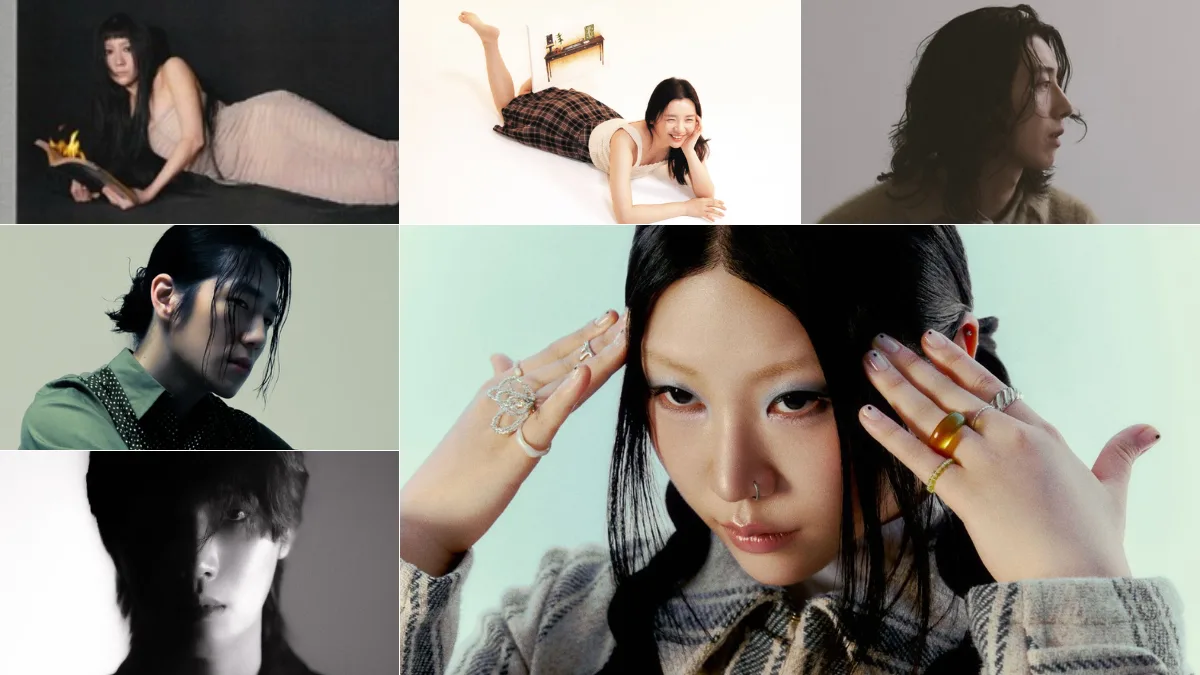
The concept of being an artist has been discussed countless times. There’s always a dichotomy between the glamour and glitz world of the nouveau riche, as well as the idea that to be an artist is to suffer.
Any artist, young or old, has had to start somewhere and usually that is one of the hardest parts. If you’re an aspiring musician, you’ve probably wondered when the ‘aspiring’ part will be removed from your title. Is it by choice or will the word be cast out by devoted fans or a glowing review from a music critic?
We reached out to a couple of artists, some have been working diligently for years, others have only just released their debut album. They’re all artists in their own right with their own path. We asked them about their beginning and their tips about things they wish they had known when they first started out.
What sparked the beginning of your debut project? Was it a melody, a concept, a story, or something else that set everything in motion?
MOZA: “My official start was with my debut full-length album, ‘Wall Cube.’ It’s like a collection of small stories, telling the memories contained within the walls of my studio, the objects on the shelves, and various mementos. It features 14 songs across different genres, with each track beautifully featured by a different artist. All of my music begins with a space. I try to recall the stories, emotions, and moods from places I’ve experienced and felt, then translate them into sound. Throughout our lives, we encounter so many different places. We preserve spaces through photos and videos, but over time, the most delicate and subtle sensations we felt there naturally fade. I create music with the mindset of keeping a diary—to record those spatial experiences so that even as time passes, they won’t be forgotten. That was the case with my first album ‘Wall Cube’, and it will continue to be that way moving forward.”
Cacophony: “ I only became certain that I needed to make music after my mother passed away. I began with nothing more than the reckless determination to release something on her birthday.
When I work, I always start by sharing the music first. I follow whatever images or emotions the music evokes in each collaborator. As the story inside a song grows richer, the photography, videos, and written elements around it naturally become more layered as well.”
Lee Si Hwan: “For my debut, I actually wanted to release an album rather than a single. When I was working on ‘Sunflower,’ I was going through a really difficult time and didn’t have much to lean on other than making music. I had been writing an album around the theme of flowers, but since I couldn’t finish it, the song ended up being released as a single. There was a message I really wanted to convey, and it felt like it had to be in English. The simple melody and the slightly rough, unpolished expressions were intentional—they fit the feeling of writing a letter to one specific person.”
James An: “I don’t think I really gave much thought to what my debut project should be. At that time, I just wanted to express the emotions that I felt deeply. I think I wanted to stay true to the strong emotions that I was experiencing, and I feel lucky that I was able to express myself through music. I was very inspired by my friends and the environment I was in, including my military service around then.”
Seo’s Room: “I used to release singles under my real name, but when I changed my artist name and put out my first EP, there was also a big musical shift. Paradoxically, I let go of all the personal expectations I had carried for years and focused solely on making music that felt different from my past work—something more evolved. I remember creating without impatience, almost in a state of resignation because life was difficult at the time. I barely had any expectations left—whether someone would listen, or whether things would go well—so I just did my best with the music itself.”
Onthedal: “I once had knee surgery and had to stay home for about a year to recover. During that time, I couldn’t help but feel like I was being left behind, like I was falling out of place, and it was really hard.
Then one day, I happened to watch a documentary about lobsters. I learned that lobsters shed their shells when they become too small, and in order to grow a bigger one, they risk their own lives. That felt incredibly similar to my own growing pains.
Thinking of it that way — that I was simply taking a pause to build a stronger shell — made things feel a lot easier. That experience became the foundation of my first debut song, “Lobster,” which carries my own story of growth and pain.”
Looking back, what were the biggest challenges you faced while creating your first full album as an indie artist?
Lee Si Hwan: “I faced a lot of challenges, but when it came to the actual creative process, most of the difficulties were things I could work through by thinking more deeply or talking with friends around me. The biggest struggle was the financial side of making an album. I didn’t have any investment, so I had to produce everything with the money I personally had, while also needing to keep working to earn more. After releasing the album, the next challenge was marketing. That part is something I constantly struggle with and think about as an indie artist.”
James An: “I think the biggest challenges were finding the resources I can use to express what I want. You realize early on that creating and sharing a song requires more resources than you think, as well as collaborators. I think being realistic with what I can do right now, and asking myself what am I actually able to do right now, where helpful in progressing and not letting my own expectations hinder the process. I have to say that it wouldn’t have been possible without my friend, who is a producer and sound engineer. That being said, I think finding people you can trust and work together with is the most important. I feel very lucky as I write this.”
Seo’s Room: “The biggest challenge was definitely doing everything myself—from composing and arranging to mixing. I had almost no mixing experience, and because it was my first time, every moment felt like a constant process of learning. Sometimes it felt overwhelming, but at the same time, it made me so happy, to the point that I could feel myself truly alive. Every day was fun because I was fully immersed. Thanks to that experience, I’m now studying sound engineering. If I hadn’t decided to try mixing on my own, I don’t think my life would look the way it does now. I want to get better, and I’m thinking about new directions in my life.”
Onthedal: “Because of financial limitations, my biggest concern was how to create the highest possible quality within those boundaries, and how to communicate my stories in the best way I could.
From the order of the tracks to the overall flow, mood, tone, message, and even the visual imagery, refining all of those details was the most challenging part.
There were parts I was able to overcome through my own effort, but I truly believe I could only do this thanks to the many friends around me who offered their help. I’m endlessly grateful for them, and I love them so much.”
MOZA: “The fact that you have to do everything yourself. While creating music, I often felt confused—wondering if I was going in the wrong direction or getting lost in my own maze—and without people to share diverse opinions and thoughts with, I spent a lot of time wandering. On another note, seeing many people judge music based solely on popularity and visibility also made things difficult for me. To overcome these challenges, I put in a lot of effort. I reached out to artists I didn’t personally know offline, sharing my music and asking for feedback. After speaking with a few artists, I realized I had so much more to learn, so I even took tutoring from them. After releasing my album, I’ve been actively trying to introduce myself to various people in the industry, reaching out via email, DMs, and more.”
Cacophony: “While making my first full-length album, I realized—quite belatedly—that creating an album isn’t only about completing the music. Writing materials, photos and videos, social media, short-form content, and promotion all form part of the same world.
I’m still learning, but the most effective solution, I’ve found, is to work with people whose sensibilities resonate with mine. Reaching out to those who respond honestly to my music makes the process more enjoyable and the final outcome much more grounded.”
What keeps you motivated during tough moments?
Seo’s Room: “Sometimes I think it’s instinctive. Since I was young, I often felt exhausted because I believed I didn’t have much talent… but strangely, “giving up” was never part of my vocabulary. Music is the only thing that keeps me moving through life. I used to have illusions and high expectations, but when those things faded, I felt like I could finally move toward something more essential. My courage, drive, and motivation ultimately come from a final goal: wanting to create music that surpasses my own limits.”
Onthedal: “Honestly, a single warm word from someone means so much to me. It’s more than enough to melt my heart.
Of course, as we go through life, we meet people who aren’t always kind, and we get hurt along the way. But I still believe there are far more warm and good people in this world.
Through my songs, I want to tell those who might be struggling alone somewhere that it’s okay — and that they’re not alone.”
MOZA: “I believe that someday my music will reach many people. I keep motivating myself by imagining that moment, which I’m sure will come.”
Cacophony: “My greatest source of motivation comes from the people who believe in me even before I believe in myself—my fans and the people close to me.
And sometimes, though it may sound childish, I imagine myself as a character in a film. I tell myself, “The highlight hasn’t come yet. After this, there will be light.” That small fantasy helps me move forward again.”
Lee Si Hwan: “I remind myself often that no one in this world has an easy life, and that being able to do what I love is already a blessing. Thinking of the people who are important to me gives me strength, and remembering why I started—those moments when creating itself feels fun—keeps me going. And when my work finally comes out into the world and there are people who listen to it, that gives me both motivation and courage.”
James An: “To whoever is reading this that might be going through a hard time as an artist, I just want to remind you that you’re not alone. I think it’s very easy to get discouraged for whatever reason. It’s easy to get self-conscious and feel a lot of self-doubt, and I feel that quite often; sometimes, it’s the first thing I feel when I wake up. What’s helped me a lot is reminding myself that I’m doing well given the circumstances, and finding reminders from others. Sometimes, I’d read positive comments and messages from my fans and listeners, and I realize every time that they mean so much to me. Although I struggle with this, I try to remind myself not to take myself too seriously. Performing and interacting with fans in person always inspire and motivate me. It makes me feel so grateful, and gratitude is my strongest motivator. Lastly, time to time, I’d look back and celebrate small wins, which eventually remind me that (although I have a long way to go) I’ve come a long way.”
At the start of your career, what kind of support or help do you wish you had the most?
Cacophony: “In the early stages of creating art, “creativity” is often something you already have in abundance.
What becomes necessary is someone who can objectively help you understand how your work can reach the world. That kind of guidance—someone who can stand beside you and look in the same direction—felt essential.”
Seo’s Room: “I think what I needed most was a mentor or senior musician who could genuinely say, “Your music isn’t meaningless.” For me, that person was Kirara. I’m deeply grateful, and I think I was really lucky, because at the time my self-esteem was almost nonexistent.”
Lee Si Hwan: “I don’t want to do everything alone from start to finish; I want to meet other artists and people who share the same dreams, and collaborate, share ideas, and create together.”
MOZA: “What’s most needed is practical advice for becoming involved in the industry. Most indie artists work alone, which often means they lack a broad perspective and end up orbiting outside of the industry without really being part of it. There’s also a general lack of understanding about how the industry works as a whole. We always need objective insights from people who have been through it—things like which music scene my sound fits into, what impact it could make, and what methods are actually effective for getting my music out there.”
Onthedal: “Musically and emotionally, I had so many stories I wanted to tell, and although there were difficult moments for me personally, expressing them through songs helped me release a lot of those emotions. In many ways, making music was something I truly enjoyed.
However, the marketing side was the most challenging part for me. I kept wondering how to promote the artist ‘onthedal’, how to reach people, and how to share my music with a wider audience. That was the hardest part for me to navigate.”
James An: “I’m very lucky to have had encouraging friends that supported me. When I first started creating music, my friends were my first listeners, and they were incredibly supportive and kind. This further inspired me to make music for my friends, and I was motivated to create more. Looking back, I think it would’ve been very helpful if I had friends or known artists that were in similar shoes as me. I wasn’t really able to find other rappers or make friends that were kind of starting out like me, and I just felt very lost and alone in that sense; however, I think that’s what allowed me to create freely and experiment. Regardless, I think having a support system of fellow artists who can rely on and relate to each other would be very helpful.”
Are there any apps, websites, or digital tools you’d recommend to new indie artists? Something that helped you stay organized, inspired, or improve your craft?
Cacophony: “I’ve used Soundbetter a few times to receive recordings from session players. The reasonable rates and clear timelines make the process much smoother.
As for DAWs, it’s best to try several before choosing one. Working in Logic versus Ableton leads to completely different creative flows, so finding the tool that matches you is crucial.”
MOZA: “Nowadays, there are many Instagram and YouTube-based accounts dedicated to indie artists. These are mostly channels run by individuals who love music, not big companies, and they do a lot of promotion and marketing for overlooked or undiscovered artists. Doing this voluntarily simply because you love music is really not easy. As an artist, I’m truly grateful to them.”
James An: “I’m not too familiar with the different, specific apps or tools, but finding your own ways to stay organized is very important because all too often, there are so many things to track and think about. As an independent artist, it’s easy to feel overwhelmed with everything you have to do and take care of. I do find Google Sheets (and Google Drive overall) very useful, and use that along with the rather minimal Notes app. Something that helped me stay inspired overall is keeping a habit of writing down anything that inspires me in any way. It can be anything, like something from a Netflix show, an intriguing text or sentence from a book, something someone said, etc.”
Seo’s Room: “To be honest, discovering new music—whether from artists I already liked or from musicians I didn’t know—on YouTube helped me a lot. Lyric videos, visualizers, and live performances often capture what the artist is trying to express in that album. So… YouTube! It feels too obvious to be a good answer, but that’s the truth.”
Lee Si Hwan: “I’d like to recommend The K M.E.A.L. I think it’s an amazing magazine that reviews music and takes a closer look at artists. It’s also a great opportunity to get your name out not just in Korea, but internationally. If you want to get inspired and improve, I hope you take a look at the things you might have missed along the way.”
Onthedal: “I’m actually someone who really loves analog things. When I write lyrics, I keep a lot of notes on my phone, but I always need a notebook and a pencil. It makes me feel much freer.
I also love reading books, especially poetry. There are so many beautiful words in the world, and sometimes it feels like we don’t even use half of them. Whenever I come across new, warm words, I occasionally feel like I own the whole world.
And I think I’ve always tried to have as many experiences as possible, whether directly or indirectly — meeting lots of people, traveling often, and having conversations with strangers in unfamiliar places.”
After releasing your first project, what has been the most rewarding or meaningful moment for you?
MOZA: “After releasing my first album, time kept passing with little to no reaction in the scene. Even I was starting to forget about my own album. But I remember the few people who kept listening to my music and posting about it. One of them even wrote me a handwritten letter, saying they loved the music and asking me to please keep making good music. I still keep that letter in the most visible spot at home. When tough times come, I think of that letter and try to immerse myself even more in music.”
James An: “As I mentioned earlier, the most meaningful moments were when I felt like my friends really liked my music and felt proud of me. At that time, I would say almost all of my listeners consisted of my friends or acquaintances. Not only were they supportive of the music itself, but also very encouraging with my decision to pursue music. They commended me on the act of creating music itself, and doing something that is vastly different from what they were doing or what they were expected to do by society and the environment. I still remember the first moments when my friends would spit my lyrics randomly when we’re together, and I cannot forget those moments.”
Lee Si Hwan: “Of course, messages from listeners are always encouraging, but I think getting opportunities like this interview is really rewarding and meaningful.”
Cacophony: “One of the most surprising moments came when my album appeared on a K-pop reaction channel. Even more shocking was hearing that my song “Breath (숨)” had been selected as their No.1 Song of the Year. I never imagined anyone would listen so deeply, let alone choose a track of mine in that way. In truth, I wasn’t sure if anyone would listen to the album at all.”
Onthedal: “Messages from listeners mean so much to me and really keep me going. I’m also incredibly thankful for interview opportunities like this, as they give me space to share my story openly.”
Seo’s Room: “I handcrafted my CDs and sold a small number of them, and to my surprise, many overseas listeners ordered them through Bandcamp. That was incredibly meaningful, but the moment that stayed with me the most was seeing a photo of my CD inside a CD player in the home of a listener living in a country and city I’ve never been to.”
Is there a moment that made you feel, “Yes, this is why I make music”?
James An: “I think moments that make me feel and remind myself why I make music often come from my fans and listeners, especially when they kindly share with me the impact my music can have on them. One of the earlier moments was when I was performing a song about the relationship between me and my mother at a different college while I was still a student. I received a message shortly after the event from someone in the audience, saying that they cried because the song reminded them about their mother and their relationship. Recently, I received a message from a fan who told me that they struggled with school violence/bullying, and listening to my music helped them. Reading these thoughtful messages inspire and remind me why I make music, and motivate me to become more responsible as an artist and individual.”
Onthedal: “When people tell me that they found comfort and connection through my music, and that it truly helped them during difficult times and hardships, I feel it very deeply. Those moments give me so much strength and the power to keep going.”
Seo’s Room: “This entire year has been full of moments like that. Since I was in middle school, I’ve practiced alone, and I never imagined I’d make it this far. “Music” used to feel like something painful, but that changed a lot starting this year. I’m truly grateful, and I want to keep moving forward calmly, step by step.”
Cacophony: “After releasing my third album, DIPUC, I was seriously considering quitting music. But the moment I stepped on stage, an indescribable happiness washed over me. In that instant, I knew I had to keep going.”
Lee Si Hwan: “There’s a sense of release when I get everything out, but at the same time, it brings a feeling of emptiness. It’s fascinating and intriguing when I feel that my stories and emotions can be with someone in their own moment. That’s why I make music.”
MOZA: “The moment of genuine connection through music. Not long ago, I was invited to a small cafe and had the chance to talk about my musical journey in front of a few people. Even though we were strangers, we shared stories of empathy and comfort through music. It reminded me, “This is the power of what I do!””
What’s something about being an indie artist that people might not expect?
Lee Si Hwan: “You don’t have to meet anyone’s expectations, and conversely, no one will be disappointed. There’s no need to cater to everyone’s tastes, so you can speak more freely and share the stories you really want to tell.”
MOZA: “As an indie artist, you mostly live with a feeling of ambiguity. You just keep making music, not knowing if you’ll ever reach the place you envision. People often understand this feeling as anxiety, and that’s correct, but that very uncertainty is also the strongest energy that makes each day enjoyable. I think there’s a fun in building an invisible future, piece by piece.”
Cacophony: “The greatest strength of being an indie artist is freedom.
I can make the music I want to make, gather the very people I want to work with, and stay close to the listeners who support me. I can let my intention seep into every corner of the process—that freedom is powerful.”
Onthedal: “Hmm… there are probably many things. For me, it feels very natural because it’s my everyday life, but in my case, I think I take on so many different roles. I’m the producer of my album, as well as the lyricist and composer. I also play instruments, sing, handle marketing, and work on the visual side of things like album covers and music videos. I take care of styling, photoshoots, promotion, and creating various kinds of content — there are just so many behind-the-scenes roles involved.”
Seo’s Room: “If I had to say something about reality… I guess it’s that you barely make any money. But the good part is that if you keep working steadily, you eventually start to encounter new opportunities. I felt that for the first time this year.”
James An: “Oh that’s an interesting question! I think there can be many things, but one thing that comes to mind is that there are a lot of things going on behind the art/music itself. Indie artists are not just making songs, but are thinking about (or need to think about) marketing, production, content, logistics, planning, communication, and so on. That being said, I think the time we actually spend on making music or the art itself is very precious and meaningful. One of the things I learned throughout this process is that it takes a lot of different resources and collaborators to create and release one song.”
What words of encouragement would you like to share with aspiring artists who are just starting out?
Seo’s Room: “I’m not in a position to give advice, but as a fellow traveler, I want to say: even though reality keeps testing us, let’s walk forward together—at least as far as we can go.”
James An: “I just want to say that it is truly meaningful and incredible that you are creating art. The world needs more music and art, and you’re creating something beautiful and powerful. I hope I can remind you from time to time that you’re doing a great job given the circumstances, and it’s okay to feel unmotivated and down throughout the process. The fact that you are not giving up and continuing to create is amazing in itself. Remember that you and your art matter. You are not alone. I hope you don’t take yourself too seriously, and I hope you celebrate the process.”
Cacophony: “To anyone just beginning their artistic journey: don’t be ashamed of revealing yourself. Express as boldly as you can. If you do, there will absolutely be surprising and joyful moments waiting in your life.”
MOZA: “If you enjoy each day and keep going until the very end, I believe you’ll eventually become the version of yourself you’ve been longing to be. I’ll see you all there at the finish line.”
Lee Si Hwan: “I hope you never learn to drift away. I hope you keep it close and cherish it. Nothing is guaranteed, and sometimes you gain something when you lose something else.”
Onthedal: “Sometimes we get lost, sometimes we turn back, and sometimes we stand still — but I believe it’s okay to move forward slowly, at your own pace.
Let’s keep going together! We’ve got this.”
This was originally published in our yearly magazine here.