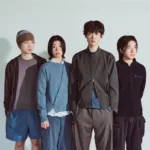


When we first encountered moza earlier this year, we were drawn in by the atmospheric pull of his sound—a genre-blending cascade that felt intimate, yet daring. His debut album ‘Wall Cube’ impressed with its seamless fusions of jazz, R&B, and electronica, but it was his latest EP ‘Pattern’ that solidified him as one of the most distinct and compelling voices in Korea’s indie scene for us.
We secured an interview with moza to explore the mind behind the music—a journey marked by self-inquiry, bold experimentation, and an unwavering respect for emotional authenticity.
The Spark of a Composer
moza’s musical awakening began with a video of new-age pianist Steve Barakatt. “I felt a powerful energy—like he was trying to communicate something through his music,” he recalls. That feeling sparked his decision to study composition, laying the foundation for a creative philosophy centered on emotional transmission.
His stage name, moza, might appear stylistically chosen, but it’s deeply personal. A play on “모자,” the Korean word for hat, it stems from his real name (Changmo) and a nickname he picked up in college: “Changmoza.” “I’ve always loved wearing hats,” he laughs. “The name just felt comfortable and familiar.”
Before the moza project officially began, he was already composing music for films and animations. His debut single ‘I Fall’, created with Hansol, originated as a theme song for the animation ‘Simcheong’. That track didn’t just introduce moza—it announced a creative mind with cinematic range.
From General Store to Gallery: Wall Cube
moza’s 2019 debut album ‘Wall Cube’ wasn’t built for categorization. “It was a raw, unfiltered expression of my journey through different genres,” he explains. “I imagined the joy of browsing through various objects on a general store shelf—each track with its own distinct character.” The album’s wide palette was uncalculated but intentional, reflecting an artist overflowing with unfiltered ideas.
“I was far more unrestrained then,” he says. “Now, I focus more on refining ideas into cohesive messages. But back then, I was simply laying bare my influences without hesitation.”
Since his debut, moza has evolved, not by narrowing his focus but by expanding his depth. “I thrive on diversity. I want to create something new with every project by collaborating with different people,” he shares. “Even non-musical experiences—I eagerly absorb them. My growth might seem slower, but I believe they’ll lead to big ideas and new opportunities.”
Mapping the Pattern
His latest EP ‘Pattern’ reflects a more mature vision—one that integrates his love for variety while honing emotional resonance. “‘Wall Cube’ was impulsive. ‘Pattern’ keeps moza’s character at the centrr while offering variety,” he explains. “This time, the stories are my own. My emotions and narratives come first, with diversity layered underneath.”
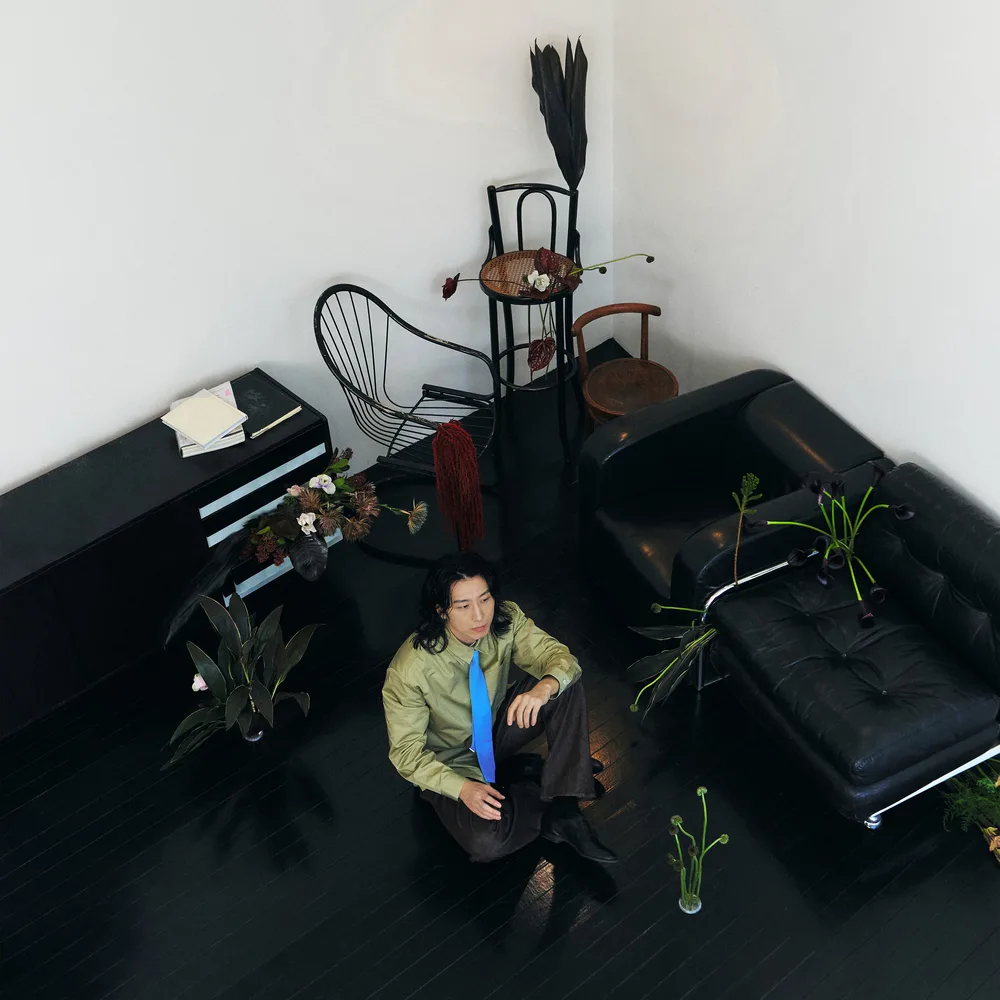
Genres like lo-fi, jazz, and R&B are woven naturally into the tracks, but moza insists they weren’t selected by design. “I never start with genre. I begin with the story I want to tell. The influences just emerge along the way.”
The EP’s title tracks serve as artistic foils. ‘Coding Girl’ is breezy, accessible—a jazzy, city pop-influenced gateway for first-time listeners. In contrast, Yoonseul is a reflective piano instrumental. “If ‘Coding Girl’ embodies comfort, then ‘Yoonseul’ is a pure expression of my inner self. It showcases moza as not just a vocalist, but a producer and instrumentalist.”
By removing lyrics, moza aimed to transcend language and speak through emotion. “I wanted to convey abstract sensations. Playing the piano in ‘Yoonseul’ feels the most ‘me.’”
Sound as Solitude and Self-Acceptance
Among the EP’s deeper cuts, ‘Garden Floor 6’ and ‘Why?’ reveal some of moza’s most personal reflections.
‘Garden Floor 6’ is a sonic journal of the year he spent creating in a studio attic. “That space began to feel like a forgotten garden—isolated and untouched. As time passed, the once-dewy atmosphere dried up. I tried to capture that with woody textures and muted tones. A lonely forest, fading.”
‘Why?’, on the other hand, confronts the inner friction of his multifaceted identity. “I used to feel lost, questioning why I dabbled in so many things. This track is that conversation with myself. The orchestral arrangement mirrors the storm inside, swirling around a small, fragile self at the center.”
Though every track holds meaning, Yoonseul stands out as his personal favorite. “It’s vivid and abstract—like flipping through memories I want others to experience, too.”
Looking Back, and Walking Forward
When asked what advice he’d give to his younger self in 2019, moza says, “Keep having fun and being honest, just like you are now!”
Currently, he’s immersing himself in music like Tom Misch’s ‘Red Moon,’ and preparing for an exciting second half of the year. One of his upcoming projects is a playlist of 20–25 instrumental tracks inspired by his recent journey on the Camino de Santiago pilgrimage.
“They reflect the serenity and emotions of that walk. I hope they allow listeners to imagine taking that path themselves.”
-moza
Also on the horizon is a new single in August—this time, with a band-driven feel similar to ‘Coding Girl’. “It was such a joyful collaboration with a special colleague,” he says, hinting that more layers of moza are still to come.